Evacuation
First responders assess conditions and make decisions around evacuations – if they determine that evacuation is necessary, emergency alerts may be sent out using one or more of the emergency alert methods used in Boulder County.
Local media may also provide valuable information regarding the evacuation process. The amount of time you have to evacuate will depend on the nature of the disaster, so be prepared to leave at a moment’s notice by following the checklist and tips below.
Evacuation Planning Checklist
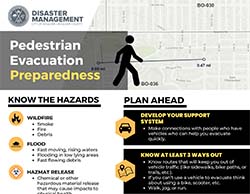
- Have at least two transportation options – have one primary method of how you’ll get out of the area, and at least one back up method. Your primary method might be your personal vehicle, and your back up method might be arranging to ride with a neighbor or friend ahead of time, taking your bike, or another pre-planned option.
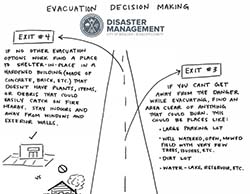
- Know your routes – during an evacuation roads may be impacted due to the disaster. Explore different routes that you could take to get out of your neighborhood so that you can quickly navigate during a disaster.
- If you are in an area that has only one way in and out, consider leaving when a warning to evacuate is issued rather than waiting for an order to evacuate. For more on orders and alert terminology visit our Understanding Emergency Alerts page.
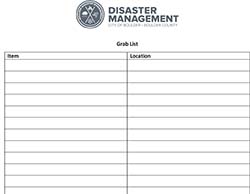
- Create a grab list – create a list of essential or irreplaceable items (and their location) that you would want to take with you if you had to evacuate, and keep it somewhere that’s easy to access. This becomes a focusing tool to look at to help you gather important items quickly.
- Work with your support system – plan together with neighbors, friends, family on:
- Who could help evacuate kids, pets, or anyone you caretake for in case you’re not home during an evacuation.
- A meet up location that you’ll evacuate to that you can meet up with your household or support system – a friend or family member’s home, a specific parking lot, business, or any other location you choose outside of the evacuation area.
- Make plans ahead of time with your support system for where you may be able to stay while you’re evacuated from your home.
- In some instances, mass care shelters may be opened to provide sheltering to individuals who have been temporarily displaced from their homes. Pay attention to local authorities and news media to see if such a shelter is available. If you have other options for shelter available to you, make use of them instead of a mass care shelter.
- Shelters for small and large animals may be opened – look to the Boulder ODM homepage for more information during a disaster.
- Garages – think about and practice what you would do if you had to get out of your garage when the power is out. Make sure you know how to open your garage door manually, or adjust by moving your vehicle out of your garage or keeping your garage door open on days that are high risk for power outages.
- To open a garage door manually, find the red pull cord attached to your garage door opener power box. Once you pull it, it will allow you to manually lift the door.
- Turn off utilities – shut off water and gas prior to evacuating if you have time to do so.
Evacuation Planning Questions
As you create your plans around evacuation consider the following questions:
- What are two or more routes that you could take out of your neighborhood or other frequented areas (like work, school, etc) in the event of road closures?
- Are there loved ones that you need to create a meet-up spot for? Where will that spot be?
- What are two modes of transportation you could use if you had to evacuate?
- What supplies, if any, do you want to have on-hand in your vehicle/mode of transportation that may be useful during an evacuation?
- If you have a garage, do you know how to use the pull tab/have the physical ability to lift the door to get out if you lose power? If not, what plan might you need to have?
View printable version of the Creating a plan worksheet.